
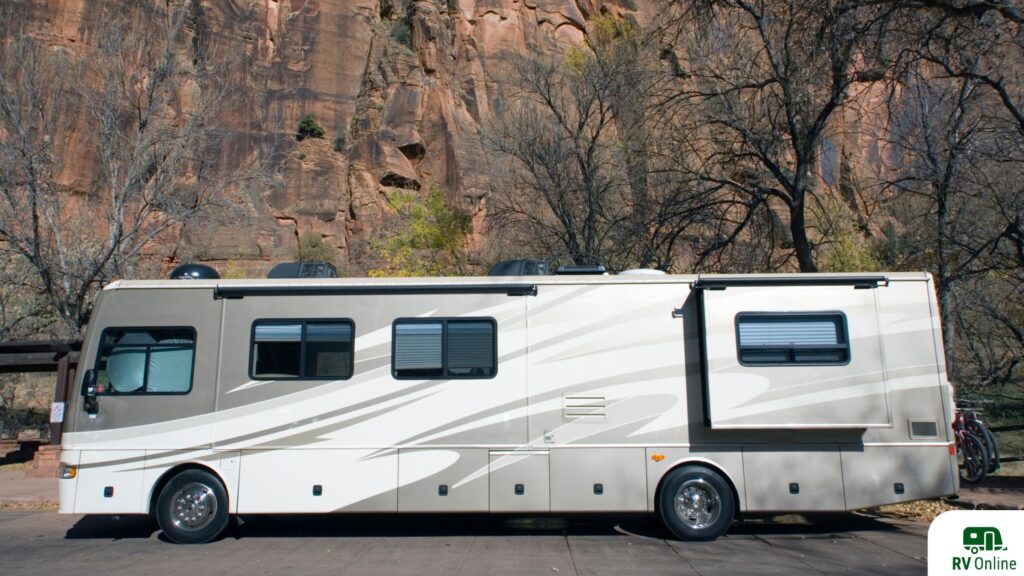
RV ownership looks a little different today than it did even a few years ago. More people are working from the road, traveling year-round, and treating their RVs as true homes, not just weekend toys. As that lifestyle evolves, RV insurance is evolving right along with it.
Heading into 2026, both buyers and sellers should understand how coverage is shifting and what that means for their rig, their budget, and their peace of mind.
How Full Time RV Living Is Changing Insurance Coverage
One of the biggest changes is how insurers are classifying RV use. Traditional policies were built around “recreational” travel. Today, many owners live in their RVs full-time or use them as mobile offices. That shift is leading more providers to offer full-time RV coverage, which works more like homeowners insurance. These policies often include personal liability, medical payments, and broader personal property coverage.
What RV Buyers Should Know About Insurance
For buyers, this means insurance is no longer a simple add-on. It’s part of the purchase decision. A well-maintained RV with documented upgrades, safety features, and modern systems is often easier and less expensive to insure. Buyers should ask sellers about past claims, roof condition, electrical updates, and any modifications that could affect coverage.
Why Insurance Trends Matter for RV Sellers
For sellers, insurance trends are shaping what buyers value. A rig with updated safety features, surge protection, new tires, or solar systems can feel like a lower-risk investment. Being able to show maintenance records and recent inspections can help buyers feel confident and may even speed up the sale.
New RV Insurance Trends in 2026
Another trend in 2026 is more flexible coverage options. Insurers are offering usage-based policies, seasonal coverage adjustments, and add-ons for remote work equipment, off-grid systems, and high-value electronics. This allows owners to tailor coverage to how they actually use their RV instead of paying for protection they don’t need.
Premiums, however, are being influenced by rising repair costs and weather-related claims. Storm damage, water intrusion, and collision repairs are more expensive than ever. That’s making preventative care even more important. Simple steps like resealing roofs, protecting plumbing in winter, and maintaining tires and brakes can reduce risk and help keep insurance costs down.
For new buyers, insurance should be part of the planning conversation, not an afterthought. Request quotes early and compare coverage types, not just price. Make sure you understand whether your policy assumes recreational use or full-time living.
For sellers, a little preparation can go a long way. Having your RV clean, documented, and well-maintained doesn’t just appeal visually. It signals responsibility and lowers perceived risk, which matters in today’s market.
RV insurance in 2026 isn’t just about compliance. It’s about protecting a lifestyle. Understanding what’s changing helps buyers choose wisely and sellers present their rigs with confidence.
For more tips, updates, and behind-the-scenes content, be sure to follow our Facebook page HERE.