

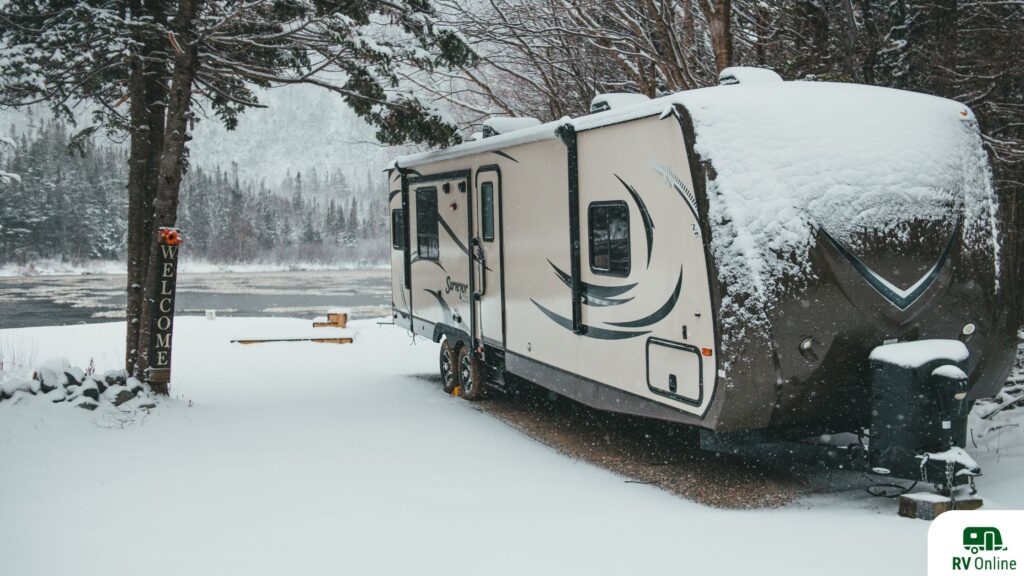
Winter can be one of the most rewarding seasons to own an RV, whether you’re traveling through quieter campgrounds or storing your rig until spring. Cold weather, however, can be tough on RV systems if you’re not prepared. A little planning now can save you from costly repairs later.
One of the most important areas to focus on is your plumbing system. Freezing temperatures can cause water lines, valves, and tanks to crack. If you’re traveling, insulating exposed pipes and using heated hoses can help prevent freezing. For storage, fully draining your fresh, gray, and black tanks and adding RV antifreeze is essential. Even “mild” winters can bring surprise freezes that cause damage.
Batteries also behave differently in cold weather. Lower temperatures reduce battery capacity and can shorten battery life if they’re not maintained. Keep batteries fully charged, clean corrosion from terminals, and consider removing them and storing them in a warmer place if your RV will sit unused for an extended period.
Your RV’s exterior deserves attention before winter sets in. Inspect roof seals, windows, and slide-outs for cracks or gaps where moisture could enter. Snow and ice can worsen even small issues, leading to leaks or interior damage. Clearing debris from the roof and awnings prevents moisture buildup and reduces strain from added weight.
Driving in winter conditions requires extra care. Make sure your tires are properly inflated and rated for colder temperatures. Carry emergency supplies like tire chains, extra water, and warm clothing. Roads can freeze quickly, especially on bridges and shaded areas, so slowing down and planning routes carefully can make a big difference.
Whether you plan to travel through winter or store your RV until spring, taking the time to prepare protects your investment and gives you peace of mind. Winter RV care isn’t about overdoing it — it’s about being proactive so you’re ready for whatever the season brings.