

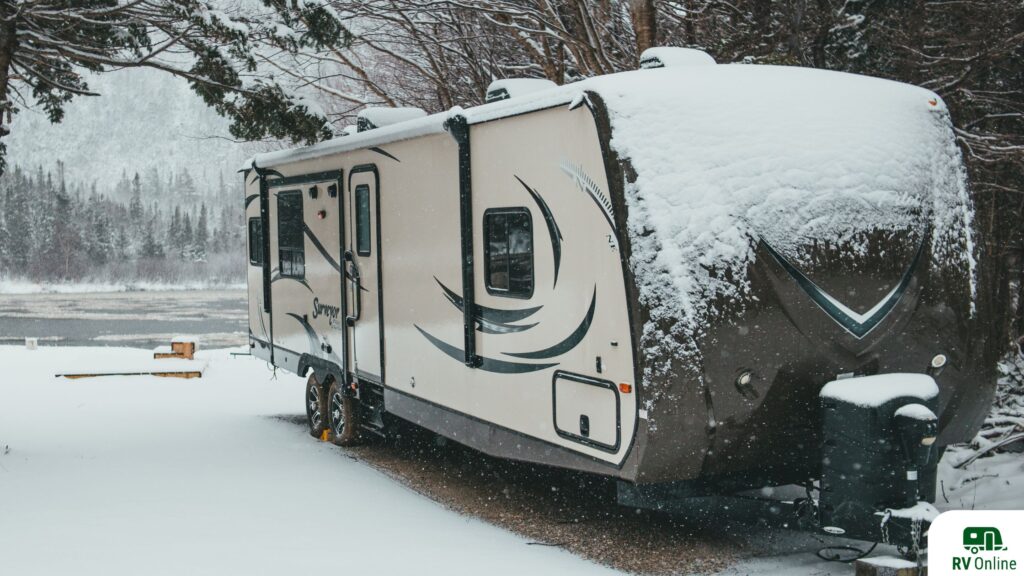
Winterizing your RV isn’t just about parking and forgetting it — it’s about protecting your investment through cold weather without costly surprises later. Most owners know the basics: drain the tanks, add antifreeze, and shut it down for the season. But there are several important steps many people miss that can make all the difference when spring rolls around.
1. Protect Your Plumbing Like a Pro
The biggest winter threat to an RV isn’t the wind or the snow — it’s frozen water. When water expands as it freezes, it can crack pipes, fittings, and appliances, leading to major repairs in spring. RV-specific antifreeze is critical here — automotive antifreeze is not safe for potable water systems and can be toxic if used incorrectly. Turn off the water heater, drain all lines, bypass the heater if possible, and run RV antifreeze through each faucet, shower, and toilet until you see the pink fluid at every outlet. Don’t forget the outdoor shower or any washer/ice maker hookups, either — these are commonly overlooked areas that still need protection. (RV.com)
2. Clean and Inspect Before You Store
Before winter arrives, a thorough cleaning and inspection can prevent long-term issues. Wash the exterior to remove grime and avoid staining over winter. Inspect seals around windows, doors, vents, and slide-outs. If you find cracked or worn seals, now is the time to repair them — gaps allow moisture in, which leads to mold and soft walls once temperatures rise again. Interior cleaning goes beyond sweeping floors: empty refrigerators and pantries, remove food items, and open doors to allow airflow. A clean RV invites fewer pests and less mold over the cold months. (Webster First Federal Credit Union)
3. Take Care of Your Tires and Batteries
Many owners forget about tires and batteries, but both deserve attention before winter. Cold weather naturally reduces tire pressure, so check and inflate to the recommended levels before storage. Consider using tire covers to protect from UV damage and cracking, and if your RV will sit for months, think about tire blocks or pads to prevent flat spots. For batteries, if you can remove and store them in a dry, cool (but not freezing) place, do it. If not, at least disconnect the negative terminal to avoid slow discharge and use a trickle charger to maintain charge over time. (Webster First Federal Credit Union)
4. Don’t Forget Small Details That Save Big Money
Even small details matter. Lubricate locks, hinges, and slide-out mechanisms to keep them from seizing over winter. Place moisture absorbers inside to fight humidity and mold. Cover your RV with a breathable RV cover rather than a tarp — tarps can trap moisture and cause damage. And keep a checklist so you don’t miss these often overlooked items.
Winter prep doesn’t have to be intimidating, but it does require attention to detail. Take the extra steps now, and your RV will thank you with a smooth spring revival — no leaks, cracks, or unwanted surprises.